Lower
Blepharoplasty
What is Lower
Blepharoplasty?
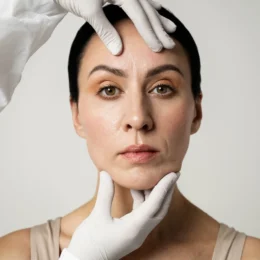
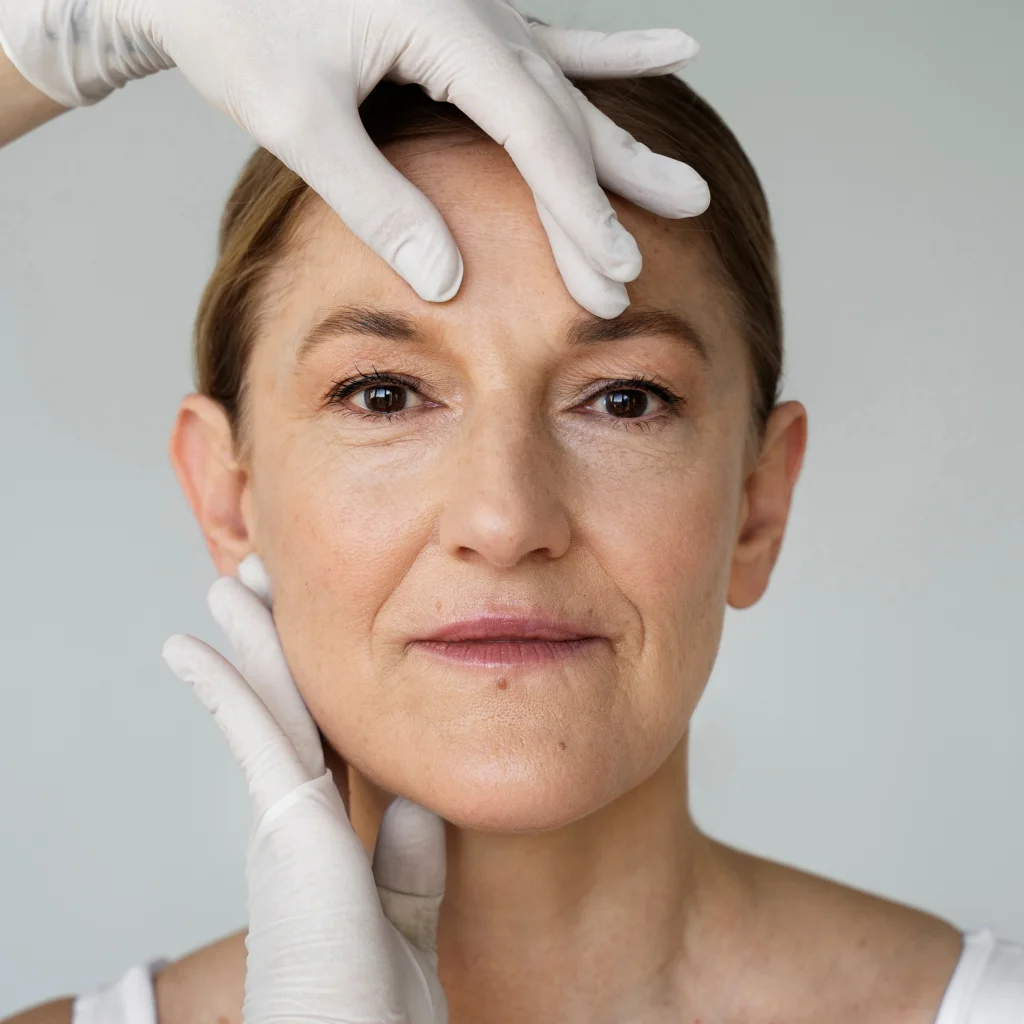
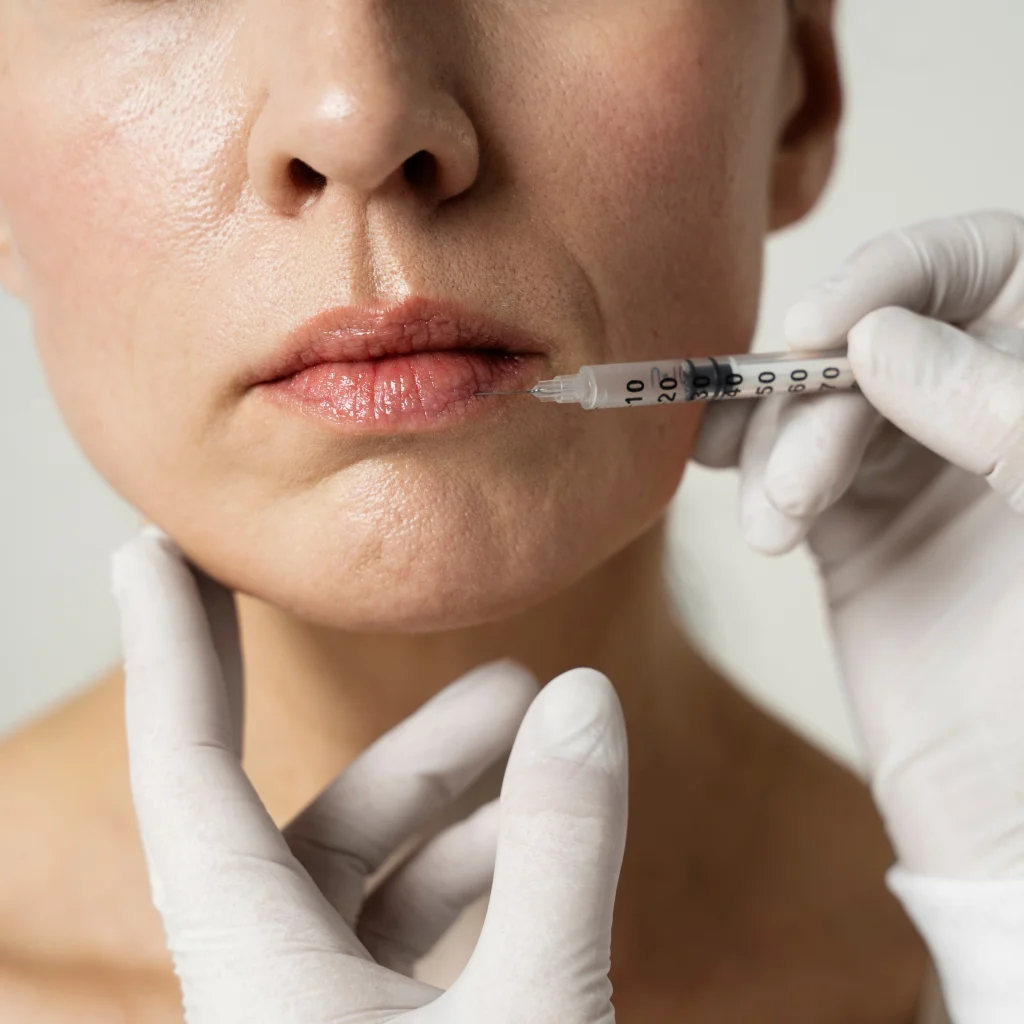
Lower blepharoplasty is a surgical procedure designed to correct the appearance of the lower eyelid — addressing under-eye bags, hollowing, excess skin, and the dark, shadowed look that makes the face appear chronically fatigued. The lower eyelid is one of the most anatomically complex and delicate regions of the face, and its deterioration can age a person more dramatically than almost any other feature.
At The Face Institute, lower blepharoplasty is tailored to each patient's specific anatomy and concern. For patients with prominent fat herniation — the classic under-eye bag.
Where the lower lid–cheek junction is deflated and the tear trough is prominent, fat repositioning into the groove restores seamless continuity between the lid and the cheek — eliminating the shadow that no filler can reliably or permanently correct. Combined with upper blepharoplasty or a deep plane facelift, the lower lid procedure forms part of a comprehensive periorbital and facial rejuvenation.
Why Choose This
Procedure
Lower blepharoplasty addresses the root cause of under-eye ageing — not just the surface — producing a rested, refreshed appearance that non-surgical treatments alone cannot reliably achieve.
Eliminates Under-Eye Bags
Herniated lower eyelid fat — the primary cause of under-eye bags — is precisely repositioned or sculpted, eliminating the bulge that no topical treatment or injectable can resolve at its structural source.
Volume-Preserving Philosophy
Rather than simply removing fat — which leads to a hollowed, aged appearance over time — our approach repositions existing volume to smooth the lid–cheek junction and restore youthful fullness where it is needed.
Corrects the Tear Trough
Fat repositioning into the tear trough groove eliminates the deep shadow at the lid–cheek junction — a correction that fillers provide temporarily and incompletely, but surgery addresses permanently and precisely.
Discreet or Scarless Options
The transconjunctival approach — performed entirely through the inner surface of the lower lid — leaves no external scar whatsoever. Where skin excision is required, the incision is hidden just below the lash line and heals imperceptibly.
A Permanently Rested Appearance
Under-eye bags project tiredness, stress, and age regardless of how well-rested the patient actually is. Correcting them transforms the overall expression of the face — patients consistently report that others remark on how well they look, without identifying surgery as the reason.
Precise Specialist Technique
The lower eyelid is unforgiving of imprecision. Our fellowship-trained facial plastic surgeons bring deep anatomical expertise to every case — protecting the critical structures of the lower lid while delivering results of the highest quality.
Before & After
Drag the divider on each case to compare before and after results.
Results vary by individual. All cases presented with patient consent and in accordance with local medical advertising guidelines.
Common
Questions
Have a question not answered here? Bring it to your consultation — our surgeons take the time to answer everything, thoroughly and honestly.
Am I a good candidate for lower blepharoplasty?
Good candidates have under-eye bags caused by fat herniation, hollowing or shadowing at the tear trough, excess lower eyelid skin causing a crepey appearance, or a combination of these concerns. Candidates should be in good general health with no active eye conditions and have realistic expectations. The approach used — transcutaneous or transconjunctival — depends on the specific anatomy, and this is determined at a thorough pre-operative consultation.
What is the difference between transcutaneous and transconjunctival approaches?
The transconjunctival approach is performed entirely through the inner surface of the lower eyelid, with no external incision — making it ideal for patients with prominent fat pads but good skin tone who do not require skin excision. The transcutaneous approach involves a small incision just below the lash line, allowing simultaneous access to the fat compartments and removal of any excess skin. The most appropriate technique is selected based on each patient's individual anatomy and goals.
Why is fat repositioning better than fat removal?
Removing lower eyelid fat eliminates the herniated bulge in the short term, but over years it creates the opposite problem — a hollowed, skeletonised appearance that looks gaunt rather than youthful. Fat repositioning takes the same prolapsed fat and redistributes it into the tear trough groove below, simultaneously eliminating the bag and filling the hollow. The result is a smooth, full, naturally youthful lower lid that holds up well over time.
Can lower blepharoplasty replace under-eye filler?
For patients with true fat herniation and structural hollowing, surgery provides a permanent correction that filler cannot replicate. Filler temporarily masks shadows but does not address the herniated fat causing them — and repeated filler use in this area can lead to puffiness, discolouration, or the Tyndall effect over time. Patients who have relied on regular under-eye filler often find that lower blepharoplasty eliminates the need for it entirely.
What is recovery like?
The lower eyelid tends to swell and bruise more than the upper lid, and recovery takes slightly longer. Most patients see significant improvement by the end of the second week. Sutures, where placed, are removed at 5 to 7 days. Social presentability is typically achieved at 2 to 3 weeks, and residual swelling — particularly around the outer corners — may take 6 to 8 weeks to fully resolve. Avoiding sun exposure and sleeping with the head elevated aids recovery considerably.
Is there a risk of ectropion or lid retraction?
Ectropion — where the lower lid pulls away from the eye — is a known complication of lower blepharoplasty, most commonly associated with over-aggressive skin excision or poor technique. At The Face Institute, we assess lower lid laxity thoroughly pre-operatively, exercise conservative restraint in skin removal, and use ancillary support techniques where indicated to protect lid position. Performing this procedure under specialist care significantly reduces this risk.
Can lower blepharoplasty be combined with other procedures?
Yes, and it is frequently combined with upper blepharoplasty to address both eyelid levels in a single, coordinated procedure — reducing recovery time and producing balanced periorbital rejuvenation. It can also be performed alongside an endoscopic brow lift or as part of a deep plane facelift for comprehensive facial renewal. Combination planning is discussed in detail at consultation to design the most efficient and harmonious approach for each patient.
You May Also
Consider

Ready to take
the next step?
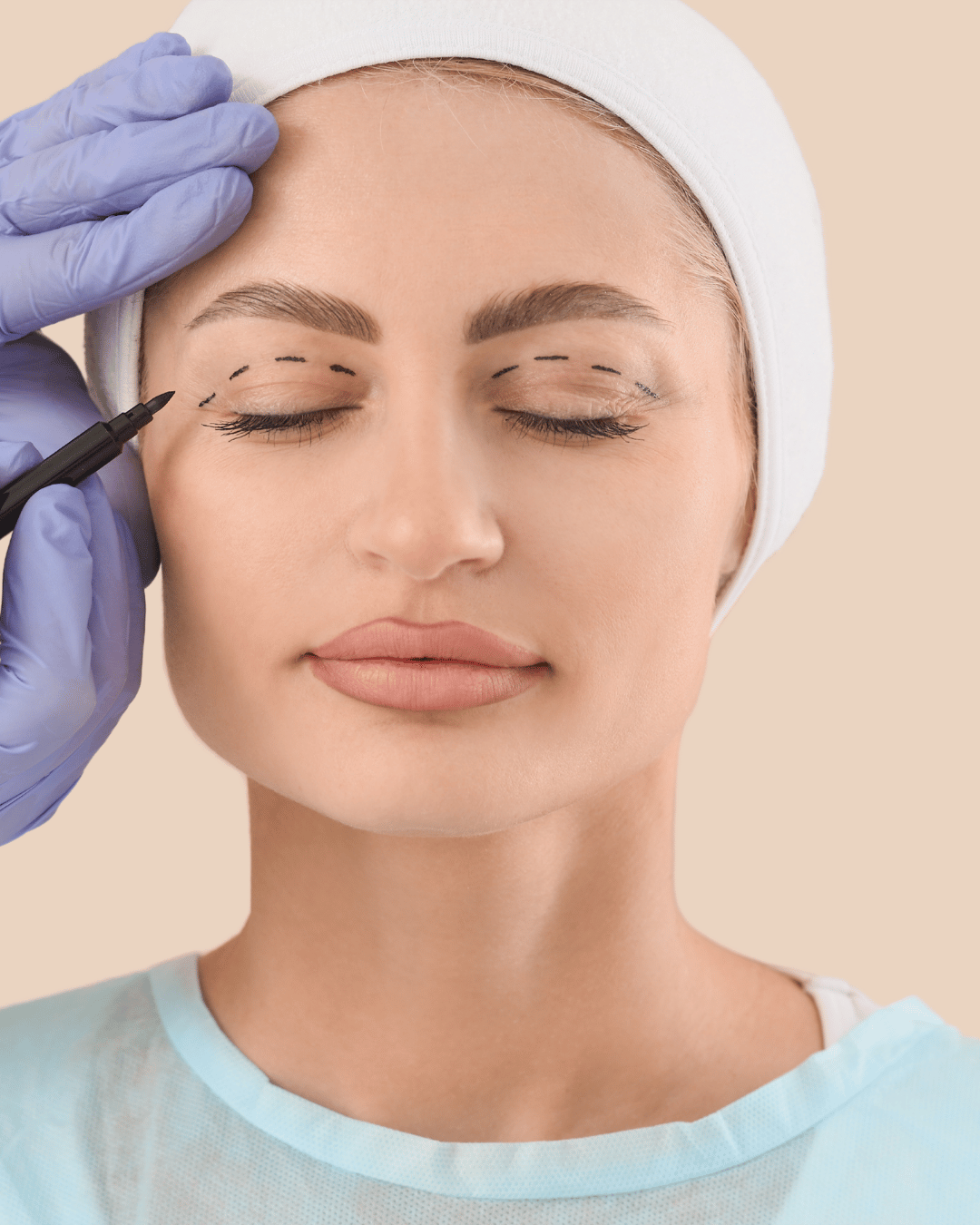
Book a private consultation with our surgeons — we'll assess your lower eyelids, discuss the right approach for your anatomy, and design a plan tailored entirely to you.