Upper
Blepharoplasty
What is Upper
Blepharoplasty?
Upper blepharoplasty is a refined surgical procedure that removes or redistributes excess skin, muscle, and fat from the upper eyelids — restoring a cleaner, more open, and more youthful appearance to the eye. It is one of the most sought-after procedures in facial surgery, precisely because the eyes are the first feature others notice, and the first to betray the signs of ageing.
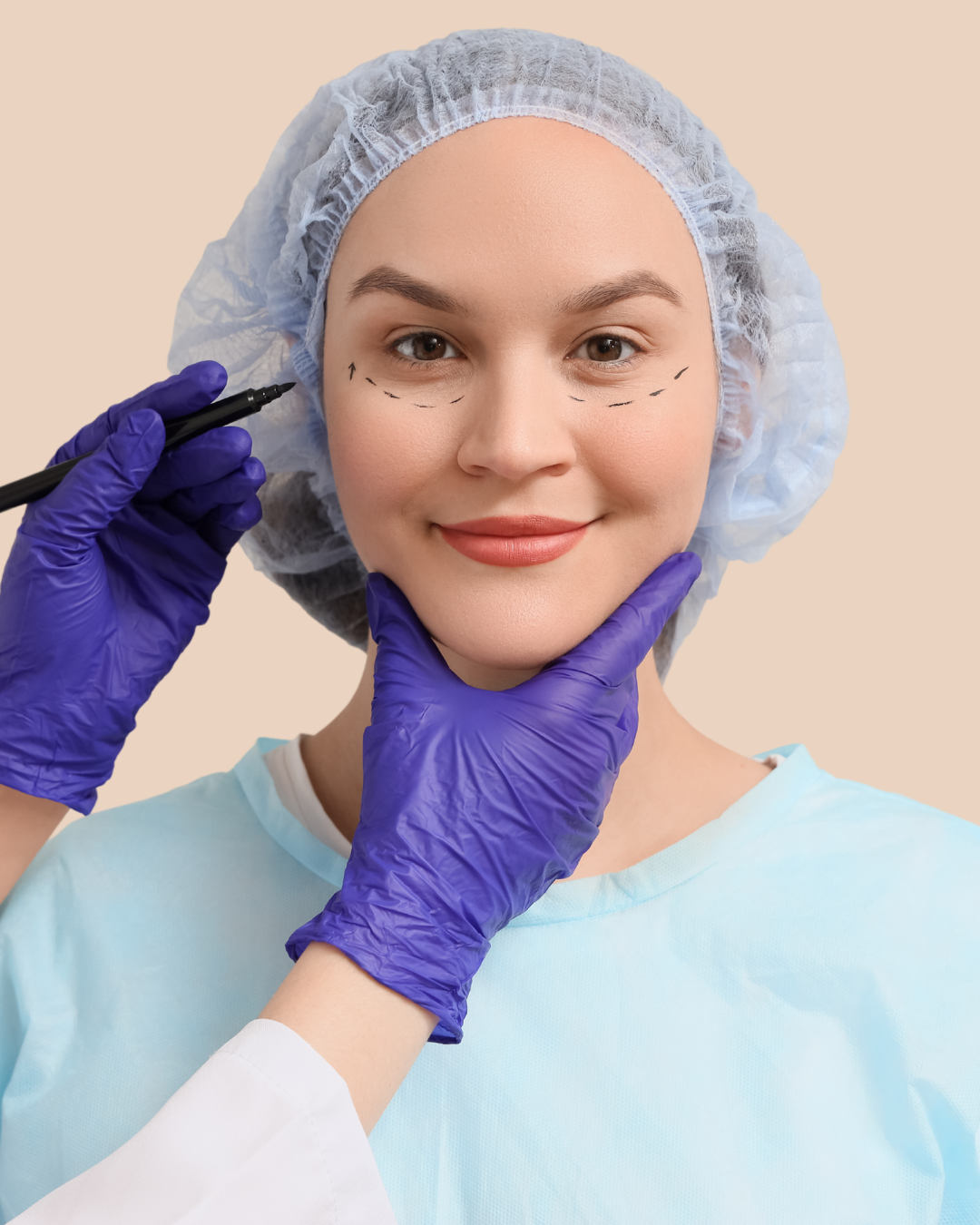
At The Face Institute, upper blepharoplasty is performed with meticulous attention to the natural crease, lid symmetry, and the unique anatomy of each patient. Our surgeons understand that eyelid surgery is not simply about removing tissue — it is about restoring the correct balance between the upper lid platform, the brow, and the overall periorbital frame. Over-resection is one of the most common complications of eyelid surgery performed by non-specialists; we guard against it with precision and restraint.
Whether the concern is functional — excess skin obstructing the visual field — or purely aesthetic, upper blepharoplasty delivers results that are immediate, long-lasting, and remarkably natural. It is frequently combined with an endoscopic brow lift or lower blepharoplasty for a comprehensive upper-face rejuvenation.
Why Choose This
Procedure
Upper blepharoplasty is one of the most transformative procedures in facial rejuvenation — delivering immediate, visible improvement with a short recovery and incisions that become virtually invisible within weeks.
Immediate, Visible Results
The improvement in the upper eyelid is apparent almost immediately after surgery — once initial swelling resolves, patients see a brighter, more open, and more rested eye that looks years younger.
Restores Peripheral Vision
In patients with significant dermatochalasis — where excess skin folds over the lash line and encroaches on the visual field — upper blepharoplasty provides meaningful functional improvement alongside the aesthetic result.
Precision Crease Placement
Our surgeons place the excision precisely within the natural upper eyelid crease, ensuring the resulting scar is completely concealed within the lid fold and indistinguishable once healed.
Short, Manageable Recovery
Compared to more extensive facial procedures, recovery from upper blepharoplasty is relatively brief. Sutures are removed at 5 to 7 days, and most patients are comfortable presenting in public within two weeks.
Long-Lasting Correction
Upper eyelid skin does not regenerate after excision. Results typically last 8 to 15 years — making this one of the most enduring minimally invasive facial surgical procedures available.
Specialist Eyelid Expertise
Eyelid surgery demands the highest level of anatomical precision. Our fellowship-trained facial plastic surgeons specialise exclusively in the face — bringing a level of focus and expertise that generalist surgeons cannot match.
Before & After
Drag the divider on each case to compare before and after results.
Results vary by individual. All cases presented with patient consent and in accordance with local medical advertising guidelines.
Common
Questions
Have a question not answered here? Bring it to your consultation — our surgeons take the time to answer everything, thoroughly and honestly.
Am I a good candidate for upper blepharoplasty?
Ideal candidates have excess skin on the upper eyelids — causing hooding, a heavy appearance, a narrowed eye opening, or visual obstruction — and are in good general health with no active eye conditions. Age is less important than anatomy: some patients in their late 30s benefit from this procedure, while others may not need it until their 60s. A thorough pre-operative assessment will confirm whether the hooding is truly lid-driven or caused by brow descent — as the two require different treatments.
How do I know if I need a brow lift instead of eyelid surgery?
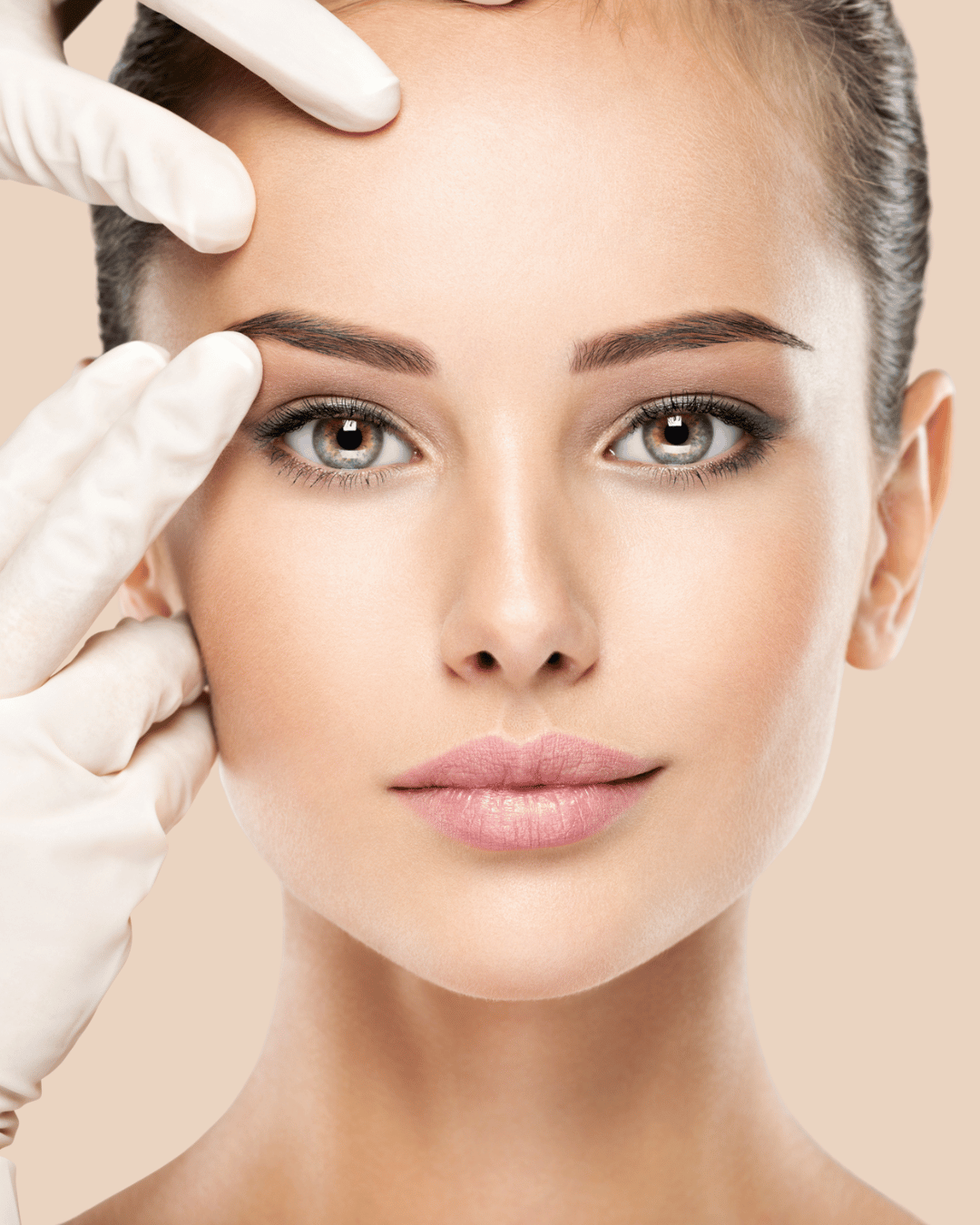
This is one of the most important distinctions in upper-face surgery. If you gently lift your brow with your fingers and the heaviness of the upper eyelid largely resolves, the primary problem is brow ptosis — not excess eyelid skin. In this case, an endoscopic brow lift may address the concern more effectively. Many patients benefit from both procedures. Our surgeons assess this carefully at consultation and will never recommend eyelid surgery when a brow lift is the correct solution.
Will the scar be visible?
The incision is placed precisely within the natural upper eyelid crease — a line that exists in the eyelid regardless of surgery. Once healed, this scar sits invisibly inside the fold when the eyes are open, and fades to a fine, pale line that is imperceptible in natural lighting. Patients are consistently surprised at how discreet the healing is.
What does recovery involve?
Swelling and bruising are expected in the first week and are typically most pronounced in the first 48 to 72 hours. Cold compresses and keeping the head elevated significantly aid comfort and resolution. Sutures are removed at 5 to 7 days. Most patients feel comfortable being seen in public by day 10 to 14, and final results are visible as swelling fully settles over 4 to 6 weeks. Reading and screen use should be limited in the first few days.
Is the procedure performed under general anaesthesia?
Upper blepharoplasty is most commonly performed under local anaesthesia with or without sedation — meaning patients are comfortable, calm, and feel no pain during the procedure without the need for general anaesthesia. When combined with other procedures such as a brow lift or lower blepharoplasty, general anaesthesia or deeper sedation may be preferred. The appropriate approach is discussed and agreed at your consultation.
Can upper blepharoplasty be combined with other procedures?
Yes — and it frequently is. Upper blepharoplasty combines very naturally with an endoscopic brow lift for comprehensive upper-face rejuvenation, and with lower blepharoplasty to address both lids simultaneously. It can also be performed as part of a broader facial rejuvenation plan alongside a deep plane facelift. Combining procedures reduces overall recovery time and produces a harmonious, balanced result.
How long do the results last?
Upper blepharoplasty results are among the most durable of any facial procedure. Because excised skin does not grow back, the correction achieved typically lasts 8 to 15 years. While ageing continues, patients consistently remain significantly improved compared to where they would have been without surgery. Some patients never require a second procedure.
You May Also
Consider
Ready to take
the next step?
Book a private consultation with our surgeons — we'll assess your upper eyelids and brow, determine the right approach for your anatomy, and design a plan tailored entirely to you.