Endoscopic
Brow Lift
What is the
Endoscopic Brow Lift?
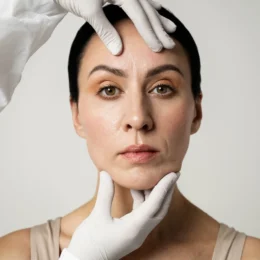
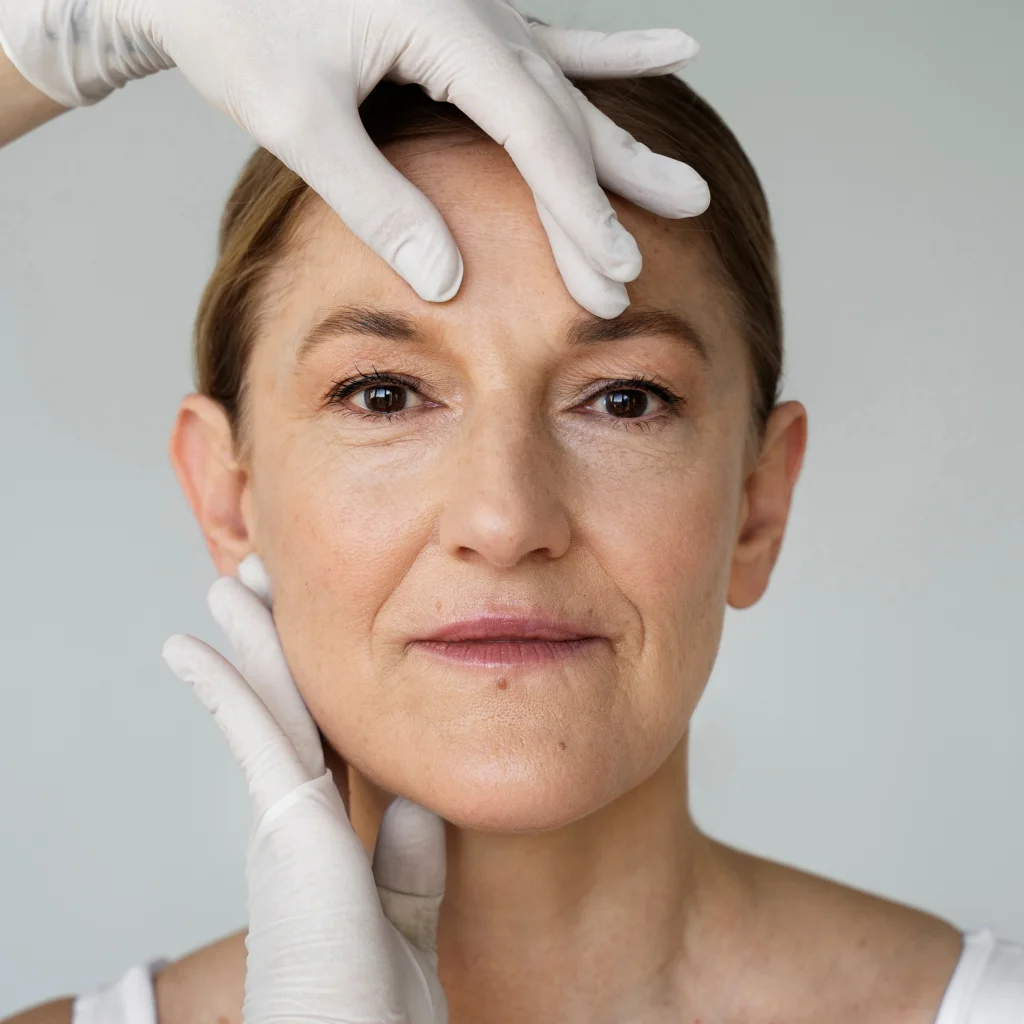
The endoscopic brow lift is a minimally invasive surgical procedure that elevates and repositions a descended or heavy brow, restoring the open, alert, and youthful expression that defines a well-rested face. Unlike traditional coronal brow lifts — which require a long incision across the scalp — the endoscopic technique uses several small incisions within the hairline and a tiny camera to achieve precise, controlled lifting with far less trauma to surrounding tissue.
At The Face Institute, the endoscopic brow lift is performed with a deep understanding of the upper facial anatomy. The procedure releases the periosteum and corrects the descent of the brow at its structural origin — elevating the lateral and central brow to a position that is natural, not overly arched or surprised-looking.
For patients who experience forehead heaviness, a hooded upper eyelid appearance caused by brow ptosis, or deep transverse forehead lines driven by constant brow compensation, this procedure can produce a transformative improvement — often rendering upper eyelid surgery unnecessary, or complementing it beautifully when combined.
Why Choose This
Procedure
The endoscopic approach delivers meaningful, lasting brow rejuvenation through tiny incisions — with less downtime, less scarring, and exceptional precision compared to traditional techniques.
Minimal Incisions
Just three to five small incisions within the hairline — each less than a centimetre — replace the long coronal incision of traditional brow lift surgery, leaving virtually no visible scarring.
Natural Brow Position
The endoscopic technique allows precise, selective elevation of the brow — lifting the lateral hood and restoring a youthful arch without the over-elevated, surprised appearance of older methods.
Addresses Brow-Driven Hooding
Many patients presenting with heavy upper eyelids are actually experiencing brow ptosis. Lifting the brow to its correct position opens the eye without the need for — or in addition to — upper blepharoplasty.
Reduces Forehead Lines
Chronic brow descent causes patients to unconsciously recruit the frontalis muscle to keep the brow elevated — etching deep horizontal lines over time. Restoring brow position eliminates this compensatory action and softens the forehead.
Faster Recovery
Compared to traditional open brow lift surgery, the endoscopic approach results in significantly less post-operative swelling, bruising, and numbness — allowing patients to return to social life sooner.
Combines Beautifully
The endoscopic brow lift is frequently performed alongside upper blepharoplasty, deep plane facelift, or other facial procedures — enhancing the upper face as part of a comprehensive, harmonious rejuvenation plan.
Before & After
Drag the divider on each case to compare before and after results.
Results vary by individual. All cases presented with patient consent and in accordance with local medical advertising guidelines.
Common
Questions
Have a question not answered here? Bring it to your consultation — our surgeons take the time to answer everything, thoroughly and honestly.
Am I a good candidate for an endoscopic brow lift?
Good candidates are typically in their 30s to 60s with a descended brow, forehead heaviness, upper eyelid hooding caused by brow ptosis, or deep forehead creases driven by constant brow elevation. Patients with a high hairline may be better suited to an alternative approach — this is assessed carefully at consultation. Good general health and realistic expectations are essential.
How is the endoscopic brow lift different from a traditional brow lift?
A traditional (coronal) brow lift requires a single long incision running across the top of the scalp — resulting in a larger scar, greater tissue disruption, and longer recovery. The endoscopic technique achieves comparable or superior results through three to five tiny incisions within the hairline, using a camera for precision. It preserves more sensation, causes less swelling, and heals considerably faster.
Will I still need upper eyelid surgery?
Not necessarily. A significant proportion of patients who believe they need upper blepharoplasty are actually experiencing brow ptosis — where the descended brow creates the appearance of excess upper eyelid skin. In these cases, lifting the brow alone opens the eye dramatically. However, some patients benefit from both procedures combined, which is assessed during a thorough pre-operative evaluation.
Will the result look natural?
Natural, rested, and alert — never arched or surprised. Our approach to brow elevation is guided by facial anatomy and gender-specific brow aesthetics. The female brow is elevated with a gentle arch at the lateral third; the male brow is lifted horizontally and kept closer to the brow bone. The endoscopic technique allows selective, nuanced lifting that respects these principles precisely.
What is the recovery like?
Most patients experience mild to moderate swelling and bruising in the first week, which largely resolves by week two. Sutures are removed at 7 to 10 days. The majority of patients are comfortable in social settings by 2 to 3 weeks. Strenuous activity should be avoided for the first month, and final results — including full softening of any residual swelling — are seen at 6 to 8 weeks.
Are the scars visible?
Incisions are placed entirely within the hairline and are typically less than one centimetre in length. With proper healing, these small scars become imperceptible and are completely hidden within the hair. There is no visible scarring on the forehead itself.
How long do results last?
Results typically last 7 to 12 years, depending on individual anatomy, skin quality, and the natural pace of ageing. While the face continues to age after surgery, the correction achieved provides a lasting foundation that keeps the upper face looking more open and youthful than it would have without intervention.
You May Also
Consider
Ready to take
the next step?
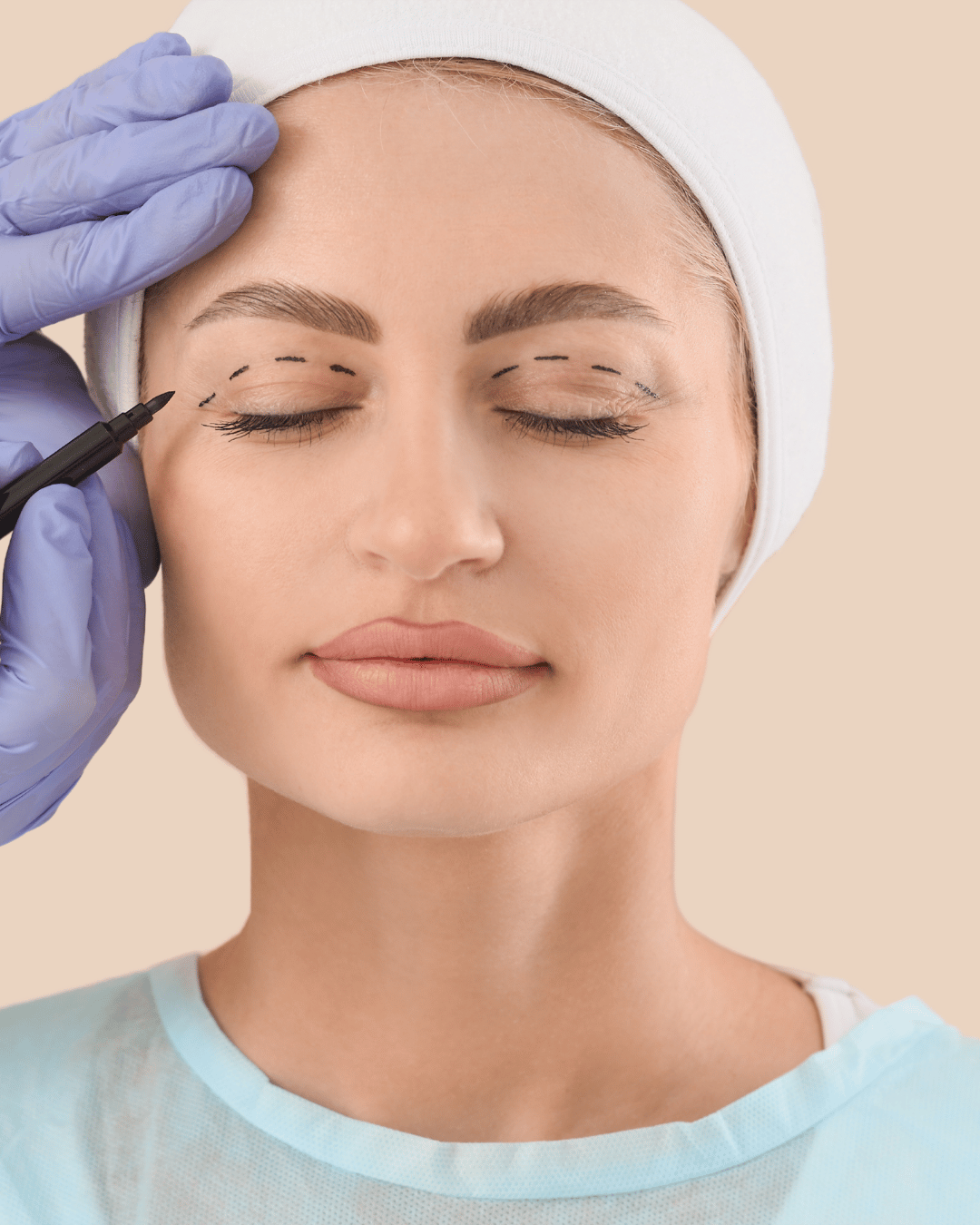
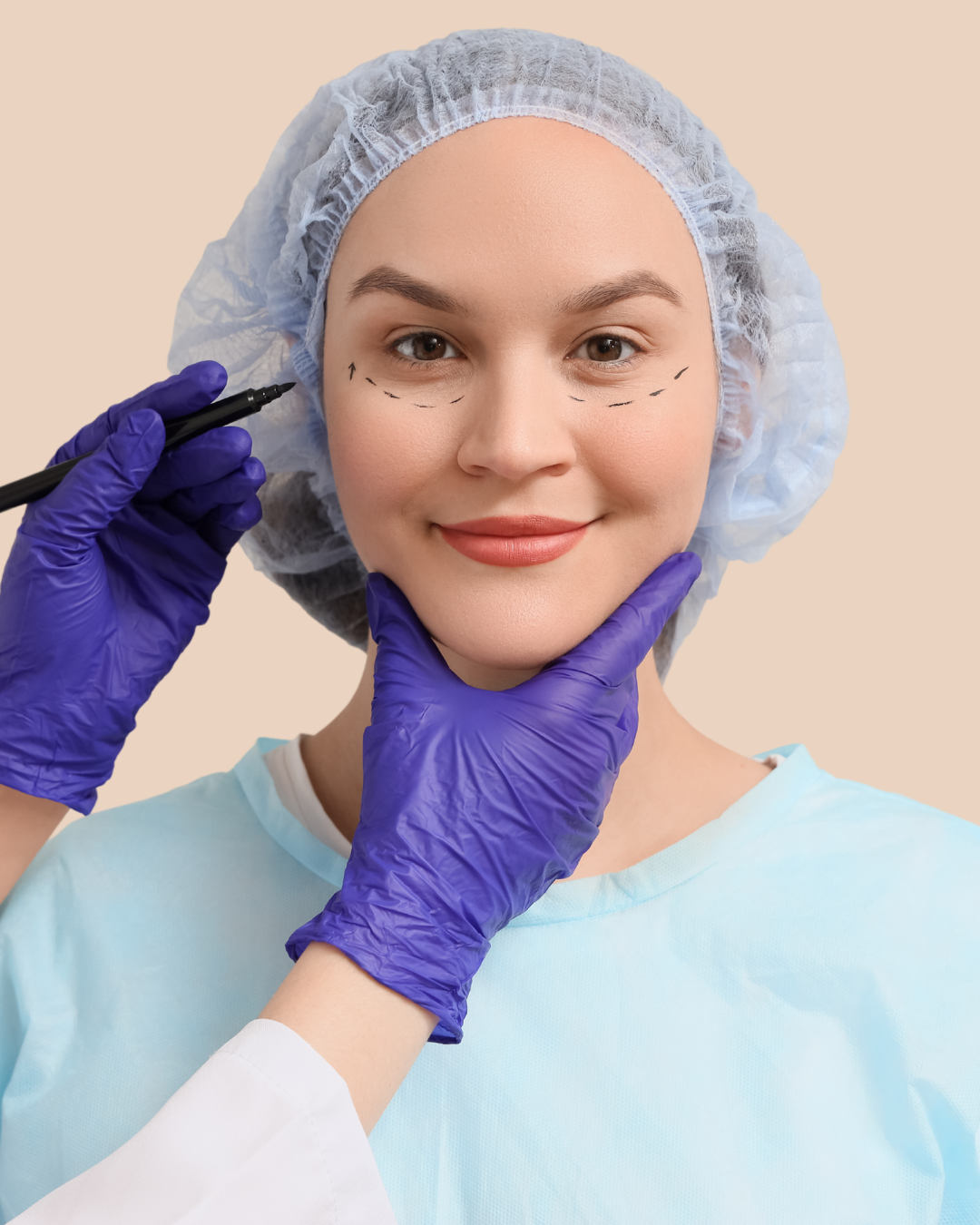
Book a private consultation with our surgeons — we'll assess your upper face, discuss whether a brow lift, eyelid surgery, or a combination is right for you, and design a plan tailored entirely to your anatomy.