Autologous
Fat Grafting
What is
Fat Grafting?
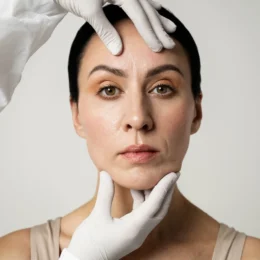
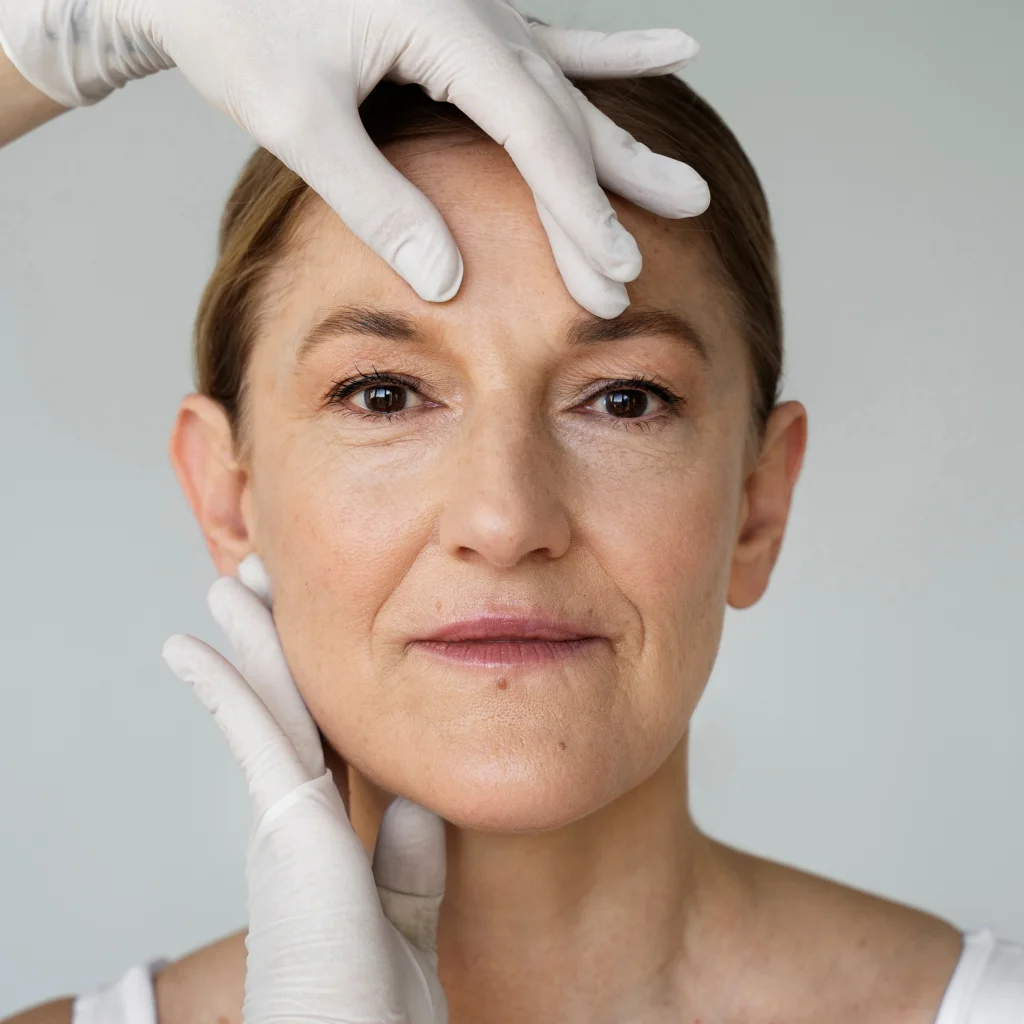
Autologous fat grafting — also known as fat transfer or lipofilling — is a surgical procedure in which fat is harvested from one area of the patient's own body, carefully processed, and then precisely reinjected into areas of the face that have lost volume with age. Because the material used is entirely the patient's own living tissue, there is no risk of rejection or allergic reaction, and the results — once established — are permanent.
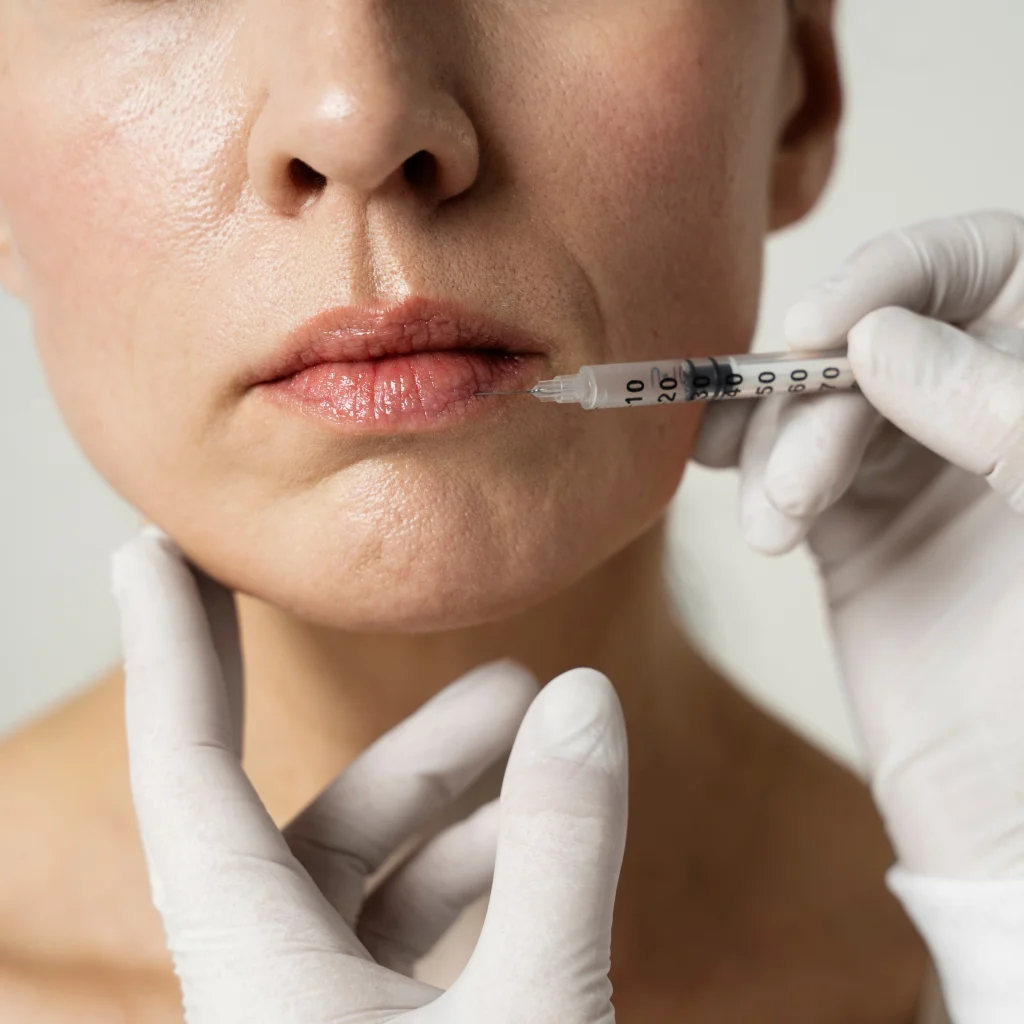
At The Face Institute, facial fat grafting is performed with meticulous technique at every stage: gentle, low-pressure harvesting to protect fat cell viability; centrifugation or decanting to purify the graft and remove non-viable components; and micro-droplet injection through multiple passes — placing small aliquots of fat in a three-dimensional matrix to maximise contact with recipient tissue and optimise take. This precise approach is what separates predictable, long-lasting results from unpredictable ones.
Fat grafting is most frequently performed in conjunction with a deep plane facelift — simultaneously lifting the structural layers of the face and replenishing the volume that descent and time have depleted. It can also be performed as a standalone procedure in younger patients with early hollowing, or combined with other facial surgeries to achieve comprehensive three-dimensional rejuvenation: restoring not just position, but fullness, texture, and the luminous quality of youthful skin.
Why Choose This
Procedure
Fat grafting restores facial volume with the only filler that is truly permanent, entirely natural, and biologically active — the patient's own living tissue.
Entirely Your Own Tissue
Fat grafting uses no synthetic materials — the filler is harvested directly from the patient's own body. There is zero risk of allergy, foreign body reaction, or incompatibility, and the result integrates biologically into the recipient tissue.
Permanent Once Established
Fat cells that successfully integrate into the recipient site become a permanent part of the facial tissue — not a temporary filler requiring repeat treatment. Once established, the graft does not dissolve or migrate.
Improves Skin Quality
Fat grafts contain stromal vascular fraction and adipose-derived stem cells — biologically active components that improve skin texture, tone, and luminosity in the treated area, an effect that synthetic fillers cannot replicate.
Three-Dimensional Rejuvenation
By restoring volume at multiple depths and in multiple anatomical compartments simultaneously, fat grafting rebuilds the three-dimensional structure of the youthful face — addressing hollowing of the temples, midface, tear trough, and perioral area in a single procedure.
Complements Structural Surgery
Combined with a deep plane facelift, fat grafting completes the rejuvenation — lifting and repositioning the structural layers while simultaneously replenishing the volume that time has removed. The combination produces results of exceptional depth and naturalness.
Dual Benefit at Harvest Site
Fat is harvested through small cannulas from donor sites such as the abdomen, flanks, or thighs — providing a modest contouring benefit at the harvest site alongside the facial volumisation being achieved.
Before & After
Drag the divider on each case to compare before and after results.
Results vary by individual. All cases presented with patient consent and in accordance with local medical advertising guidelines.
Common
Questions
Have a question not answered here? Bring it to your consultation — our surgeons take the time to answer everything, thoroughly and honestly.
Am I a good candidate for fat grafting?
Good candidates have noticeable facial volume loss — hollowed temples, a deflated midface, prominent tear troughs, sunken cheeks, or a skeletonised appearance around the jawline — and have sufficient donor fat at a suitable harvest site. Candidates should be in good general health, be non-smokers or willing to stop smoking before surgery, and have realistic expectations about the recovery process and graft take. Very lean patients with minimal body fat may not have sufficient donor material — this is assessed at consultation.
How much of the transferred fat survives?
Fat graft survival depends on harvesting technique, processing method, injection technique, and patient biology. With meticulous micro-droplet injection and careful handling, survival rates of 50 to 70 percent are typically achieved at stable long-term follow-up. For this reason, surgeons intentionally overgraft slightly to account for expected resorption — and the final settled result is assessed at three to six months. Secondary touch-up fat grafting is occasionally performed to refine areas where take was lower than anticipated.
Is fat grafting better than dermal fillers?
The two treatments serve different patients in different circumstances. Fillers are excellent for patients seeking reversible, non-surgical volumisation with minimal downtime and immediate results. Fat grafting is more appropriate for patients with significant volume loss, those who prefer a permanent biological solution, or those undergoing concurrent surgery where fat grafting can be incorporated efficiently. Fat grafting also uniquely improves skin quality through its stem cell content — an effect fillers cannot replicate. Both have their place, and the right choice depends entirely on each patient's anatomy, goals, and tolerance for recovery.
Where is the fat harvested from?
Fat is most commonly harvested from the abdomen, flanks, inner thighs, or outer thighs — areas where fat is typically accessible in sufficient volume and easily reached. The donor site is chosen at consultation based on availability of fat, patient preference, and access logistics during surgery. The harvest is performed through tiny cannulas under tumescent anaesthesia, leaving no visible scars and providing modest contouring at the donor site.
What is recovery like?
Recovery from fat grafting involves two sites: the face and the donor site. Facial swelling is the primary concern — it is typically more pronounced than with filler, and patients should expect their face to appear fuller than the final result during the first two to four weeks. The donor site may have mild bruising and swelling, managed with a light compression garment for one to two weeks. Most patients are comfortable being seen socially by three to four weeks. Final settled results, reflecting true graft take, are assessed at three to six months.
Can fat grafting be combined with a facelift?
Yes — and this is the most powerful combination in facial rejuvenation surgery. A deep plane facelift addresses structural descent — lifting the SMAS, releasing the ligaments, and repositioning the facial soft tissues. Fat grafting simultaneously addresses volume depletion — restoring the fullness that ageing has removed from the midface, temples, and perioral region. Together, they address both the positional and volumetric dimensions of facial ageing in a single, coordinated procedure, producing a result of exceptional naturalness and longevity.
Will the face look overfilled or unnatural?
Not when performed correctly and conservatively. Overfilling is a known pitfall of fat grafting in inexperienced hands — producing a round, heavy, or puffy appearance that looks unnatural. At The Face Institute, we plan graft volumes carefully using pre-operative facial analysis, inject conservatively across multiple anatomical planes, and account for expected resorption without overcorrecting. Our goal is a face that looks rested, replenished, and naturally younger — never overfilled.
You May Also
Consider
Ready to take
the next step?
Book a private consultation with our surgeons — we'll assess your facial volume, evaluate your donor sites, and design a fat grafting plan that restores your face to its most naturally youthful version.